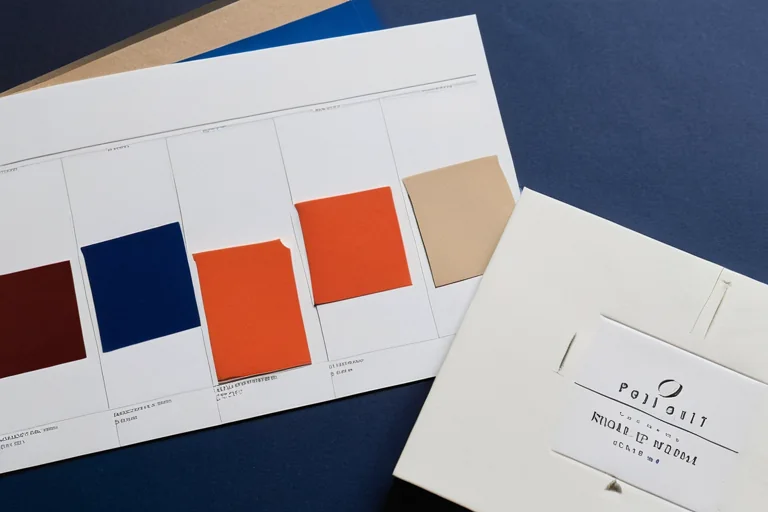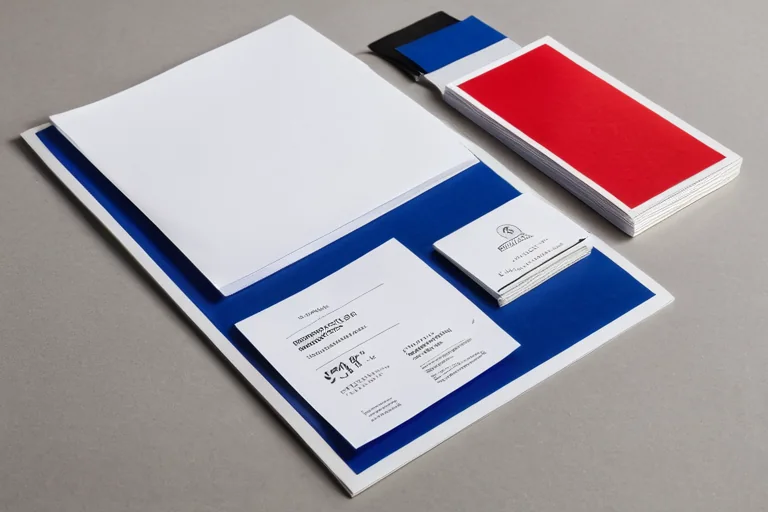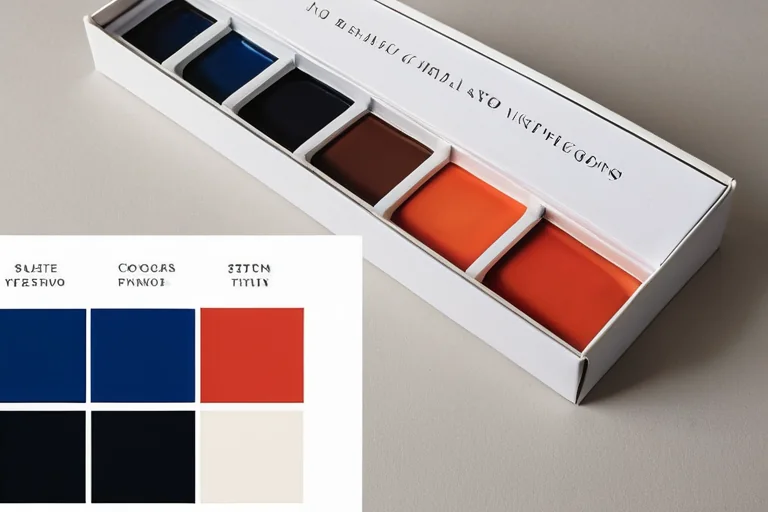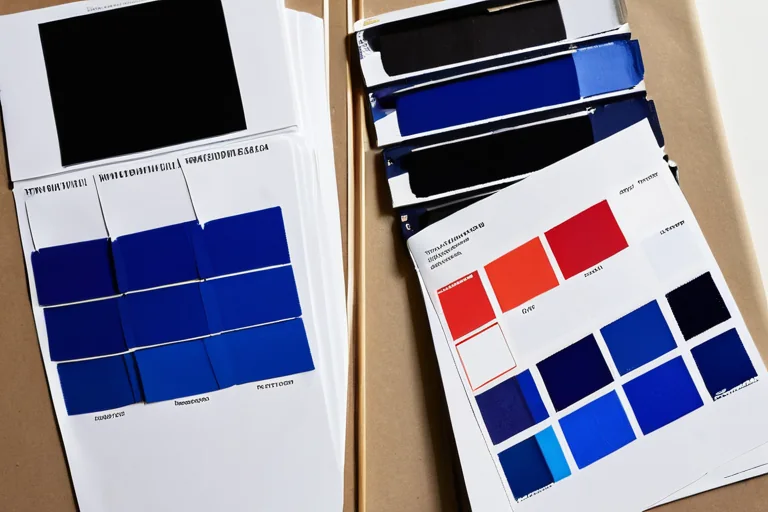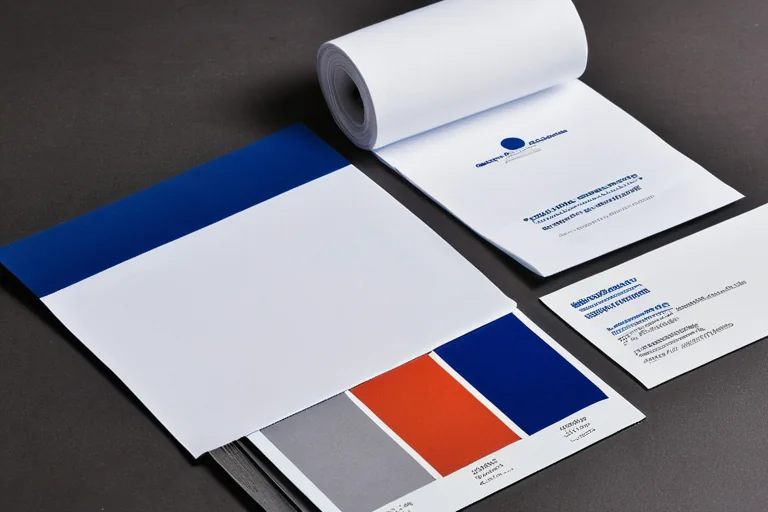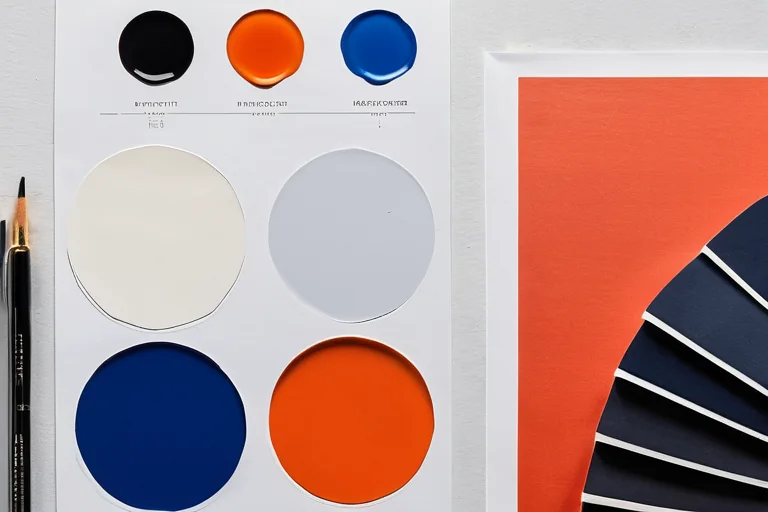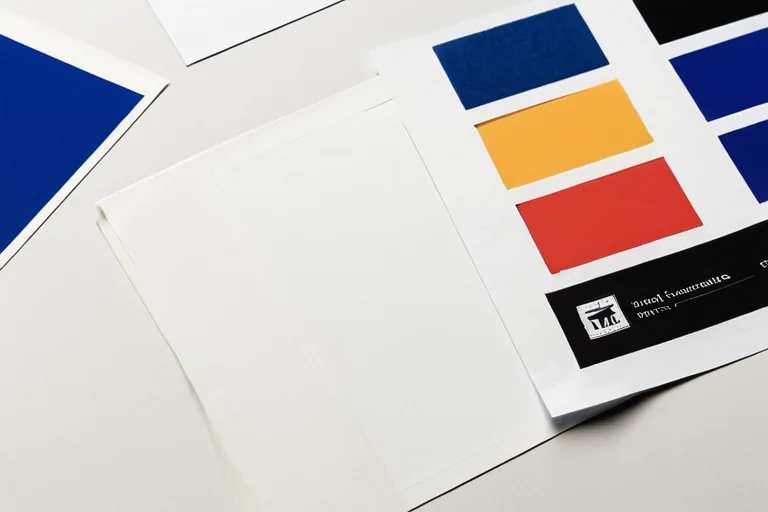
Brand Guidelines is one of the core decisions inside a graphic design brief. For small teams, founders and local service brands, the strongest result usually comes from a simple sequence: understand the site, set priorities, then choose details that can be maintained after handover.
In brand systems, websites and printed collateral, brand guidelines should respond to light, circulation, scale and daily use. The point is not to add more decoration; it is to make the space easier to read and more comfortable to use.
A practical plan for brand guidelines starts with exact measurements, reference images, material limits and a clear order of work. Documenting these elements early keeps the design coherent across every touchpoint and reduces late changes before final production. Organizing these steps early supports a smoother creative workflow planning for every brand project.
The final check is consistency. The colors, textures, lighting and edges should feel related to the rest of the property, while the technical details stay simple enough for cleaning, maintenance and future updates.
How to approach brand guidelines
Keep the brief direct: record the dimensions, choose the primary use, define the preferred mood and list the constraints before materials are selected. This makes supplier conversations and installation decisions more precise.
The best result for graphic design work is usually quiet consistency. Repeat materials, align edges, control light and leave enough visual space for the main features to matter.